Battery Energy Storage Systems (BESS) are transforming energy management by storing surplus electricity and releasing it when needed. The Middle East and the UK take different paths in leveraging this technology, shaped by their distinct energy goals and challenges. Here's a quick breakdown:
- Middle East focuses on large-scale solar-plus-storage projects, driven by government-led initiatives to diversify energy sources and reduce reliance on fossil fuels. Costs are lower, with centralised procurement models and partnerships with manufacturers like BYD and CATL.
- UK prioritises standalone grid-scale systems to stabilise its wind-heavy energy grid. Its market-driven approach includes flexible revenue models like energy arbitrage and frequency response services.
Quick Comparison
| Aspect | Middle East | UK |
|---|---|---|
| Focus | Solar-plus-storage systems | Standalone grid-scale solutions |
| 2030 Target | 48 GWh (e.g., Saudi Arabia) | 23–27 GW |
| Primary Driver | Decarbonisation, export of hydrocarbons | Grid flexibility, renewable integration |
| Cost (per kWh) | Approx. US$120 | Approx. US$125 |
| Procurement | Centralised, state-led tenders | Competitive, merchant-driven |
| Battery Chemistry | Lithium Iron Phosphate (LFP) | LFP and emerging alternatives |
Each region's approach reflects its energy priorities, from the Middle East's economic diversification to the UK's push for net-zero emissions.

Middle East vs UK BESS Deployment: Key Metrics and Strategies Comparison
Market Growth and Projections: Middle East vs. UK
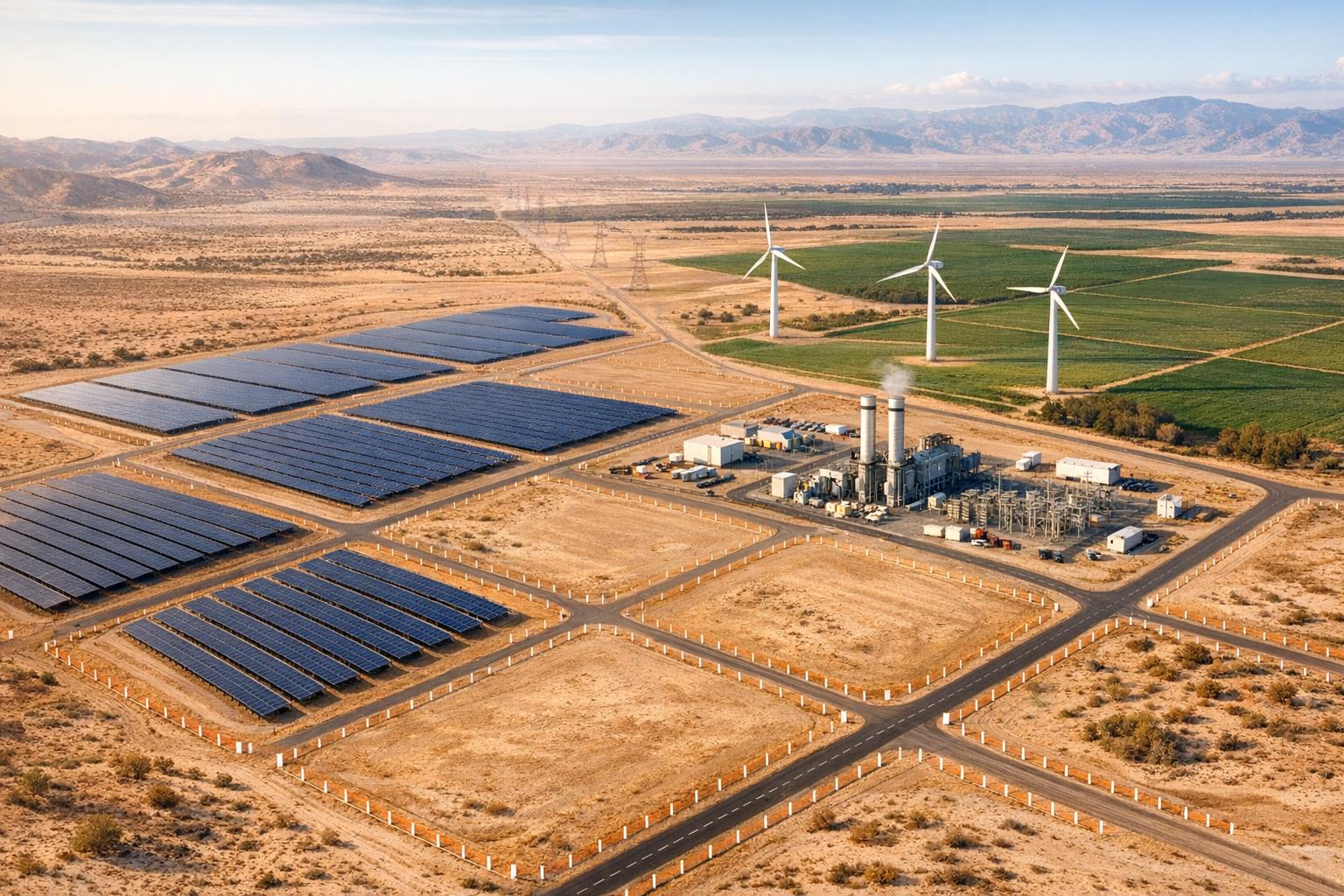
Middle East: Solar and Storage Expansion
The Middle East is making significant strides in renewable energy, with a strong focus on solar-plus-storage systems. By 2024, the market is expected to be valued at US$0.66 billion, with projections indicating a rise to US$2.60 billion by 2033 at a compound annual growth rate (CAGR) of 14.7%.
This growth is fueled by ambitious national plans like Saudi Arabia's Vision 2030 and the UAE Energy Strategy 2050, which aim to transform the region's energy landscape. For instance, Sungrow secured a 7.8 GWh supply deal with SEC and Al Gihaz in March 2025, highlighting the rapid pace of development. The industrial sector dominated in 2024, generating 71.85% of market revenue, driven by the energy demands of industries such as oil, gas, and desalination.
The UAE leads the way in regional adoption, commanding 34.85% of the market share in 2024. A standout project is the Masdar and Emirates Water and Electricity Company (EWEC) collaboration, which began construction in October 2025 on a massive Abu Dhabi project. This initiative combines 5.2 GW of solar PV with 19 GWh of battery energy storage systems (BESS) and is set to be operational by 2027. Dr. Sultan Al Jaber, Chairman of Masdar, described the project as:
This gigascale project is a step towards redefining the role of renewable energy for the information age.
UK: Energy Transition Progress
The UK is moving swiftly in its energy transition, with its BESS market experiencing rapid growth. Battery storage capacity expanded by 509% between 2020 and 2025, supported by the Clean Power 2030 Action Plan and the pressing need for grid flexibility. By early 2024, the UK's storage capacity stood at approximately 4.5 GW, with a target of reaching 23–27 GW by 2030.
Unlike the Middle East's emphasis on hybrid solar-plus-storage systems, the UK focuses on standalone grid-scale systems. These systems are designed to provide services like frequency response and energy arbitrage. New mechanisms such as the Balancing Reserve (BR) and Quick Reserve (QR) services, introduced in March and December 2024 respectively, have significantly boosted revenues for BESS operators by enhancing grid stability. To meet its clean energy goals, the UK requires an annual investment of around £40 billion.
These contrasting approaches underline the differences in how the two regions are shaping their energy storage markets.
Comparison Table: Growth Metrics and Trends
| Metric | Middle East | United Kingdom |
|---|---|---|
| Market Size (2024) | US$0.66 billion | Not disclosed (capacity-focused) |
| Growth Rate | 14.7% CAGR (2025–2033) | 509% capacity increase (2020–2025) |
| 2030 Target | Saudi Arabia: 48 GWh | 23–27 GW |
| Primary Configuration | Hybrid (Solar-plus-BESS) | Standalone Grid-Scale |
| Key Driver | Industrial Decarbonisation & Hydrogen | Grid Flexibility & Renewable Integration |
| Dominant Technology | Lithium-ion (96.88% share) | Lithium-ion & emerging LDES |
| Revenue Model | Power Purchase Agreements | Revenue Stacking (Frequency Response, Arbitrage) |
Policy and Business Models: Middle East vs. UK
Middle East: Centralised Models and Net-Zero Ambitions
In the Middle East, energy policy revolves around a centralised "single-buyer" model. Essentially, a state entity is responsible for procuring energy from all projects, ensuring price stability across the board. Yasser K. Riad, Partner at White & Case, highlights this approach:
In the Middle East, business models often involve a single procuring entity that purchases energy from all projects.
The region's energy transition is deeply tied to economic diversification. Countries like Saudi Arabia and the UAE aim to reduce domestic energy consumption, allowing them to export more hydrocarbons while simultaneously ramping up renewable energy initiatives. For instance, Saudi Arabia has set an ambitious goal to generate 50% of its energy from renewables by 2030, while the UAE and Oman are targeting 30%. However, regulatory frameworks are still in the early stages, evolving from broad policy guidelines.
UK: Market-Driven Approach and Regulatory Innovation
In contrast, the UK operates on a market-driven model. Battery Energy Storage System (BESS) deployment, for example, is managed through the Capacity Market, which oversees technical processes, pre-qualification, and auctions. To further encourage adoption, the UK government has introduced three-year agreements for low-carbon technologies that require no upfront capital investment. A significant upcoming initiative is the "Cap and Floor" scheme for Long-Duration Electricity Storage (LDES), aimed at reducing investment risks, with the first application window set to open in Q2 2025. Additionally, a comprehensive review of electricity market arrangements is underway to support the UK's 2030 targets. Ed Miliband, Secretary of State for Energy Security and Net Zero, underscored the urgency of these efforts:
By sprinting to clean, homegrown energy, we can take back control from the dictators and the petrostates.
Comparison Table: Policy and Business Models
| Feature | Middle East (GCC) | United Kingdom |
|---|---|---|
| Procurement Method | Centralised "single-buyer" model; state-led tenders | Competitive Capacity Market auctions; merchant-led |
| Primary Incentive | Capacity-based payments for predetermined power | Ancillary services, grid balancing, and a cap-and-floor mechanism |
| Regulatory Complexity | Nascent and evolving from policy guidelines | Established frameworks with a focus on regulatory clarity |
| Strategic Goal | Economic diversification and maximising oil exports | Net-zero transition and enhanced grid flexibility |
| Project Scale | Fewer but extremely large-scale (gigawatt-scale) | Highly fragmented with diverse regional variations |
Cost Trends and Technologies: Middle East vs. UK
Cost Efficiencies in the Middle East
The Middle East has set a new benchmark for Battery Energy Storage System (BESS) pricing. In August 2025, Saudi Arabia's Tabuk and Hail projects secured equipment supply contracts at an astonishing $73–75/kWh for 2.45 GWh each. With EPC (Engineering, Procurement, and Construction) costs around $47–48/kWh, the total capital expenditure landed at approximately $120/kWh - one of the lowest figures globally.
This cost advantage is largely due to centralised procurement models, which capitalise on economies of scale and direct partnerships with major Chinese manufacturers like BYD and CATL. Lower labour costs compared to Europe, minimal import duties, and streamlined regulatory processes further reduce expenses. By the end of 2024, Saudi Arabia had expanded its battery storage capacity from zero to over 11 GWh, showcasing the Kingdom's rapid progress in this sector.
A key driver of these savings is the adoption of Lithium Iron Phosphate (LFP) battery chemistry. LFP batteries are well-suited for the region’s hot climate, offering a long cycle life of 10,000 to 12,000 cycles. By November 2025, LFP cell prices in Chinese domestic markets had dropped to around $40/kWh, significantly shrinking equipment costs. Kostantsa Rangelova, Global Electricity Analyst at Ember, highlighted the broader implications:
Solar is no longer just cheap daytime electricity, solar is now anytime dispatchable electricity. This is a game-changer for countries with fast-growing demand and strong solar resources.
These efficiencies stand in sharp contrast to the cost structures seen in the UK’s BESS market.
Technology Development in the UK
In the UK, BESS development is shaped by a different set of challenges and priorities. As of October 2025, the average all-in capital expenditure for long-duration, utility-scale projects outside the US and China was around $125/kWh. However, UK projects often face higher costs due to elevated grid connection fees, stringent safety certifications, and complex regulatory requirements.
The UK’s focus is on Long-Duration Electricity Storage (LDES) to manage the variability of wind and solar power. With a target of 27 GW of BESS by 2030 to meet Clean Power goals, the country’s connection queue has already reached 61 GW - highlighting both market enthusiasm and the pressing need for greater grid flexibility.
A distinctive feature of the UK market is its emphasis on modular "plug and play" systems. These standardised 20-foot container solutions come pre-integrated with battery modules, cooling systems, and fire suppression, reducing construction times and risks. Like the Middle East, the UK has largely shifted to LFP chemistry, but it is also exploring alternatives like sodium-ion batteries to reduce reliance on critical metals.
Regional Challenges and Opportunities
Middle East: Solar Variability and Gas Diversification
The Middle East, despite its cost advantages, faces some tough challenges when it comes to energy storage. The harsh desert environment - with extreme heat and frequent dust storms - requires specialised battery containers equipped with advanced cooling systems to avoid performance issues and degradation.
Another major hurdle is the region's infrastructure. There’s a noticeable lack of dedicated markets for ancillary services, time-of-use pricing, and energy arbitrage, which limits potential revenue streams for operators. On top of that, battery recycling strategies are still in their infancy.
That said, the potential for growth in renewable energy is massive. The region’s renewable energy capacity is expected to jump from 32 GW in 2023 to a staggering 180 GW by 2030, with an impressive annual growth rate of 30%. Saudi Arabia, for instance, has ambitious plans to roll out 10 GW/40 GWh of standalone battery energy storage systems (BESS) by 2030. Projects like the NEOM Green Hydrogen Project, featuring a 536 MW/600 MWh BESS facility, are setting benchmarks for achieving 100% renewable energy reliance. Similarly, ACWA Power is developing a 1,300 GWh BESS for The Red Sea Project, which ranks among the largest globally.
Economics also play a key role. By reducing domestic fossil fuel consumption, countries in the region can boost export revenues. For example, in 2023, oil-fired plants still accounted for nearly half of Saudi Arabia’s power generation capacity. However, with increased BESS deployment, the region can pivot more towards solar energy while conserving fossil fuels for export. Additionally, the growing adoption of AI and cloud computing in the GCC is driving demand for BESS to ensure uninterrupted, clean power for data centres, especially in areas where grid capacity is limited.
While the challenges are significant, the opportunities for renewable energy diversification are equally compelling, setting the Middle East on a unique energy transition path.
UK: Fossil Fuel Phase-Out and Grid Flexibility Requirements
The UK faces a different set of challenges, largely tied to its grid infrastructure and regulatory landscape. One of the biggest bottlenecks is the country’s sluggish planning and approval processes, coupled with a lengthy grid connection queue. To meet its energy goals, the UK will need to undertake around 80 major network infrastructure projects and double its transmission infrastructure by 2030 compared to the past decade. With the closure of its final coal-fired power station in 2024, the UK must quickly scale up grid flexibility to handle a system where renewables are projected to account for at least 95% of electricity generation by 2030.
The financial requirements are enormous. Achieving clean power by 2030 will demand approximately £40 billion in yearly energy investments between 2025 and 2030. The UK is also targeting a sharp reduction in the carbon intensity of its energy generation - from 171 gCO₂e/kWh in 2023 to under 50 gCO₂e/kWh by 2030. To support this, the country needs to deploy 23–27 GW of battery capacity and 4–6 GW of long-duration electricity storage (LDES) by 2030.
To encourage investment, the UK is introducing innovative regulatory measures. A key example is the "cap-and-floor" mechanism for LDES projects, which provides revenue stability for developers. This approach is backed by studies showing that deploying 20 GW of LDES could save the UK £24 billion between 2025 and 2050. Unlike the Middle East’s centralised single-buyer systems, this model offers a more decentralised and developer-friendly approach.
Another noteworthy development is the government’s approval of the Net Zero Teesside project. This initiative includes the world’s first large-scale gas power plant with carbon capture technology, designed to deliver low-carbon, dispatchable power.
These tailored strategies highlight how the UK is navigating its unique energy challenges while pushing toward a low-carbon future.
sbb-itb-0a9f22b
Gamcap's Role in BESS Opportunities

Gamcap's Investment and Development Approach
Gamcap has developed a 2 GW pipeline centred on powered land opportunities, combining strategic locations with essential energy infrastructure. Their strategy revolves around three key methods: in-house developments, mergers and acquisitions (M&A), and partnerships with local stakeholders. This multi-faceted approach allows them to adjust to the specific needs and dynamics of each market.
In the UK's well-established merchant market, Gamcap focuses on managing intricate revenue streams such as energy arbitrage, the Balancing Mechanism, and frequency services. UK-based projects typically range from 20 MW to 100 MW, although larger gigascale projects are beginning to take shape. To manage risks, they employ strategies like tolling agreements and floor arrangements with optimisers to reduce exposure to merchant market fluctuations. The Clean Power 2030 Action Plan sets ambitious targets, calling for a sixfold increase in BESS capacity to 23–27 GW by 2030. This creates significant opportunities for developers who can secure prime locations near grid connection points.
In the Middle East, Gamcap's focus shifts to centralised Public-Private Partnerships (PPP) and Independent Power Producer (IPP) models. These projects are anchored by 10–15-year offtake agreements featuring availability-based payments, with many starting at gigascale. Saudi Arabia is on track to reach 33.5 GWh by 2026, making it the third-largest market globally. Additionally, the UAE and Saudi Arabia are collectively targeting 144 GW of renewable power capacity by 2030, which will necessitate extensive BESS integration. This regional focus highlights Gamcap’s ability to align its strategies with the unique demands of each market.
Supporting Regional BESS Growth
Gamcap’s tailored investment strategies aim to tackle the specific challenges of each region. In the UK, their emphasis on large-scale projects (over 100 MW) with longer durations (2 to 5 hours) aligns with the growing need to balance wind and solar variability. The UK market is evolving, moving from reliance on frequency response services - which made up 80% of revenue in 2022 - to energy arbitrage, which is expected to account for nearly 50% of revenue by 2024. This shift reflects the changing dynamics of the UK’s grid, requiring developers who can maximise earnings across diverse revenue streams.
In the Middle East, Gamcap addresses the region’s unique energy challenges, such as the "duck curve", where solar generation peaks during the day while evening demand surges due to cooling and desalination needs. BESS plays a crucial role here by providing capacity firming and enhancing grid stability. The region’s structured offtake agreements, which include provisions for utilisation and degradation risks, offer a different risk profile compared to the UK’s merchant-driven model. Gamcap’s adaptable approach ensures they can meet these distinct requirements effectively.
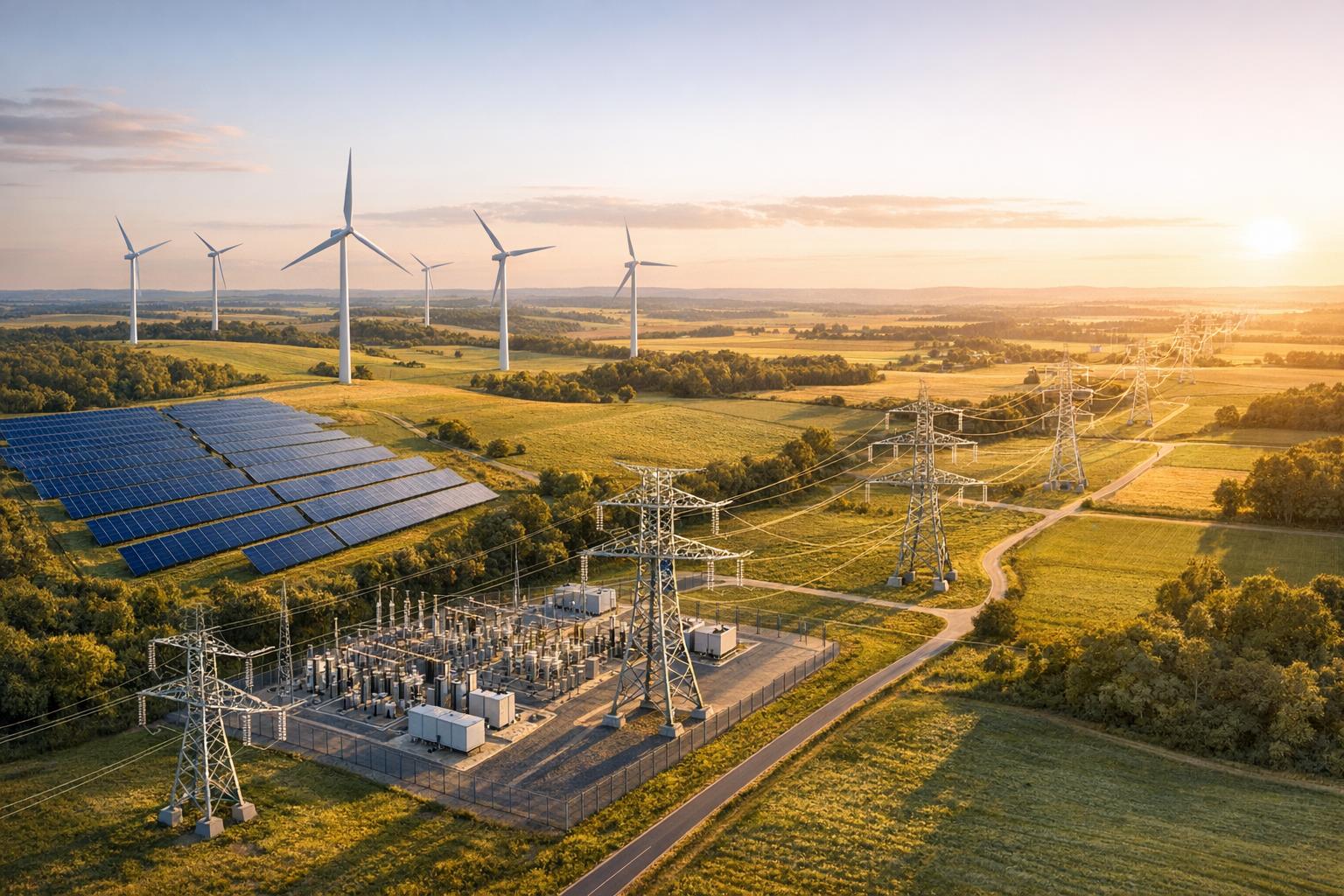
Advantages of Battery Energy Storage Systems (BESS) for electrical grid stability
Conclusion
The Middle East and the UK have carved out very different paths when it comes to deploying Battery Energy Storage Systems (BESS), each reflecting unique energy priorities and market frameworks. In the Middle East, the focus is on large-scale, government-led initiatives designed to support renewable baseload energy and free up natural gas for export. On the other hand, the UK leans toward flexible, merchant-driven solutions aimed at managing the transition away from fossil fuels. These contrasting approaches - both in project scale and grid functionality - highlight the strategic differences shaping the actions of players like Gamcap.
The Middle East benefits from lower installation costs, which fall below US$200 per kWh, and battery cell prices hovering around US$50 per kWh. This cost efficiency has drawn in major Chinese suppliers such as BYD, CATL, and Sungrow, whose systems are built to handle extreme temperatures exceeding 60°C. Meanwhile, the UK gains from a well-established regulatory environment that attracts global investors. A prime example is Masdar's commitment of £1 billion (AED 4.68 billion) to battery storage projects in the UK.
Procurement methods also differ greatly. The Middle East relies on government-led tenders supported by long-term public-private partnership agreements. In contrast, the UK operates in a merchant-driven market, requiring advanced revenue optimisation across multiple services.
Gamcap has adapted its investment strategy to align with these distinct market conditions. In the UK, the company focuses on large-scale projects - often surpassing 100 MW with durations of two to five hours - while mitigating market risks through tolling agreements and optimisation partnerships. In the Middle East, Gamcap works within centralised Independent Power Producer (IPP) frameworks, backed by long-term contracts, supporting Saudi Arabia’s ambitious goal of achieving 33.5 GWh of storage capacity by 2026. This dual-market strategy positions Gamcap to play a key role in advancing the 2030 renewable energy goals in both regions, leveraging the unique deployment models and cost structures that define each market.
FAQs
What drives the differences in BESS adoption between the Middle East and the UK?
The adoption of Battery Energy Storage Systems (BESS) in the Middle East and the UK highlights distinct regional priorities, shaped by differences in energy policies, market development, and goals. In the Middle East, the spotlight is on advancing ambitious renewable energy targets, particularly through integrating intermittent sources like solar and wind. Countries such as the UAE, Saudi Arabia, and Oman are embracing BESS to enhance grid stability and address the challenges of renewable energy variability. Large-scale projects, including green hydrogen initiatives and microgrids, are also driving this rapid adoption, even as certain policy hurdles persist.
Meanwhile, the UK’s approach to BESS reflects the characteristics of a more developed energy market. Here, deployment is focused on ensuring grid stability, providing backup power, and generating revenue through mechanisms like capacity markets. The UK benefits from well-established regulatory frameworks and government incentives, though issues such as grid access and permitting continue to pose challenges. While the Middle East is experiencing a phase of rapid growth centred on renewable energy integration, the UK is concentrating on refining its existing infrastructure and exploring new revenue opportunities to maintain its advanced market position.
What are the key cost differences for BESS projects in the Middle East and the UK?
The cost of Battery Energy Storage Systems (BESS) in the Middle East is notably lower compared to the UK, thanks to favourable market conditions and competitive procurement strategies. As of October 2025, the average total capital expenditure (capex) for BESS projects in the region is around AED 460 per kWh. This breaks down into approximately AED 275 per kWh for core equipment and AED 185 per kWh for installation and connection costs. Additionally, the Levelised Cost of Storage (LCOS) stands at about AED 240 per MWh, supported by longer battery lifespans, improved efficiency, and lower financing costs.
On the other hand, BESS costs in the UK are generally higher. Factors such as increased labour and material expenses, reliance on locally sourced components, and differing market dynamics contribute to this disparity. These contrasts underscore the Middle East's ability to deploy BESS solutions at a more competitive cost.
What challenges do the Middle East and the UK face in expanding BESS capacity?
The hurdles involved in expanding Battery Energy Storage Systems (BESS) vary greatly between the Middle East and the UK, mainly due to their distinct regional dynamics.
In the UK, one major issue is the inconsistent regulatory framework, which can slow down project approvals and complicate development processes. On top of that, heightened concerns about fire safety have prompted stricter safety standards. While these measures aim to mitigate risks, they can also extend deployment timelines.
In contrast, the Middle East faces challenges rooted in its reliance on fossil fuels and the relatively limited adoption of renewable energy. Integrating large-scale energy storage here requires significant infrastructure upgrades, advancements in storage technology, and strategies to ensure economic viability. As the region gradually shifts towards renewable energy, these obstacles remain key barriers to scaling up BESS.
In summary, while the UK grapples with regulatory and safety concerns, the Middle East is focused on addressing infrastructure gaps and reducing energy dependency to support its move toward sustainable energy systems.