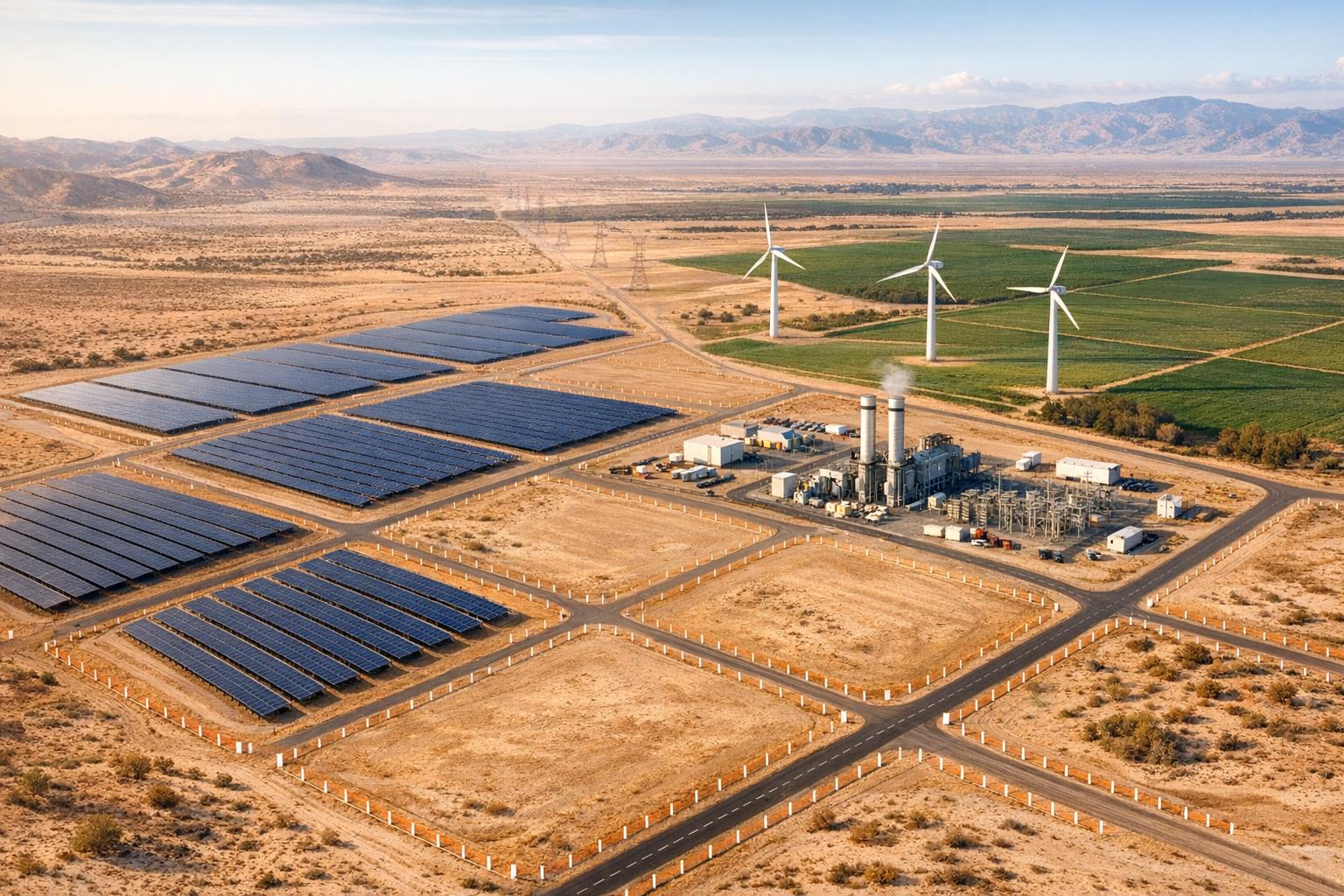
The Middle East is emerging as a leader in renewable-powered data centers, driven by lower electricity costs, abundant solar energy, and ambitious energy projects. By 2031, the UAE’s clean energy capacity is set to exceed 22GW, while the region’s data center capacity is projected to triple, growing from 1GW in 2025 to 3.3GW by 2030. Projects like Abu Dhabi’s Dh22 billion solar and battery energy storage system and the Stargate AI compute cluster highlight the region’s focus on aligning renewable energy with digital infrastructure.
In contrast, the UK faces challenges such as high energy costs, grid connection delays, and strict planning regulations, despite advancements like long-term renewable energy agreements and innovative cooling systems.
Key Points:
- Middle East: Low electricity costs (USD 0.05–0.06/kWh), large-scale solar projects, and streamlined regulatory processes.
- UK: High electricity costs, delays in grid connections, and reliance on wind energy with innovative energy-saving technologies.
The Middle East’s approach focuses on integrating energy and data infrastructure from the start, offering a cost-efficient and scalable model. Meanwhile, the UK works on overcoming regulatory and grid challenges to support its growing data center demand.
1. Middle East Data Centers
Energy Cost and Availability
The Middle East stands out as a cost-effective region for powering data centres. In Saudi Arabia and the UAE, electricity rates range between $0.05 and $0.06 per kilowatt hour, significantly lower than the US average of $0.09 to $0.15 per kWh. Additionally, industrial land in Saudi Arabia is priced between $10 and $50 per square metre, a stark contrast to the $150–$600 per square metre seen in major US hubs. Solar photovoltaic prices in the GCC have also hit record lows, falling below $0.03 per kWh. This makes renewable energy not only an environmentally sound choice but also an economically appealing one. These cost advantages create a strong foundation for integrating renewable energy into the region's infrastructure.
Renewable Energy Integration
The Middle East is moving beyond intermittent solar power to provide consistent, renewable baseload energy. In October 2025, the UAE launched a Dh22 billion renewable energy project in Al Wathba, Abu Dhabi. Spearheaded by Masdar, this initiative includes a 5.2GW solar PV plant paired with a 16GWh battery energy storage system (BESS). By 2027, it aims to deliver 1GW of uninterrupted renewable energy to the grid. The UAE's renewable energy capacity has already reached 6.8GW, with targets set at 19.8GW by 2030 and projections exceeding 22GW by 2031. These large-scale projects are not just about energy - they're magnets for major investments, as the growth trends reveal.
Investment and Growth Trends
The region’s data centre ecosystem is attracting substantial capital. A prime example is the UAE's Stargate project, which aims for a 5GW power capacity and carries an estimated cost of over $30 billion. In April 2025, Khazna Data Centres announced plans for a 100MW AI-optimised facility in Ajman, reflecting the broader regional expansion. Additionally, KKR partnered with Gulf Data Hub in 2025, committing $5 billion to boost regional data centre capacity from 1GW to 3.3GW by 2030. These investments highlight the Middle East's readiness to meet the growing demands of hyperscalers and AI-driven workloads, with renewable energy integration acting as a major draw for global investors.
Technology Implementation
The region's data centres are embracing cutting-edge technologies to stay ahead. Developers are incorporating AI-optimised infrastructure, including liquid cooling systems and high-density GPU clusters, which can handle workloads requiring up to 10 times more power than traditional setups. Given the region's arid climate, innovative cooling solutions like adiabatic-free chillers and seawater-based systems are being employed to conserve water. Saudi Arabia’s Cloud Computing Special Economic Zone (CCSEZ) further boosts the sector with tax incentives and streamlined processes, aiming to capture 30% of the Kingdom's ICT spending by 2030. Additionally, less restrictive planning controls compared to Europe allow for quicker approvals and more flexible zoning for high-density computing. These advancements not only enhance operational efficiency but also solidify the Middle East's position as a leader in sustainable and scalable data centre solutions.
2. UK Data Centers
Energy Cost and Availability
The rapid growth of data centres in the UK is putting immense pressure on the country's electricity grid and driving up energy costs. With 523 data centres - ranking third globally - the demand for electricity has surged. Industrial electricity prices in the UK are 46% higher than the median for International Energy Agency member countries, creating a steep cost barrier for operators. Projections suggest that data centres could account for up to 10% of Great Britain’s electricity consumption by 2050, a dramatic increase from the current 1–2%. Some facilities are already facing grid connection delays, with timelines extending as far out as 2035. This challenging energy landscape is pushing data centres to explore renewable energy solutions to manage costs and ensure sustainability.
Renewable Energy Integration
To mitigate fluctuating energy prices, UK data centres are turning to long-term Power Purchase Agreements (PPAs) for wind and solar energy. Diesel generators, limited to just 50 operational hours annually due to environmental restrictions, are being replaced by battery storage systems. A notable example of innovation is the Old Oak and Park Royal project in London, which secured £36 million in government funding for 2025. This initiative aims to repurpose waste heat from data centres to provide low-carbon heating for over 10,000 homes and 250,000m² of commercial space. Additionally, advanced cooling systems, such as closed-loop technologies, are being adopted to cut down on both energy and water use.
Investment and Growth Trends
The UK’s data centre sector contributes £4.7 billion annually in Gross Value Added (GVA) but faces considerable regulatory challenges. In September 2024, data centres were officially classified as Critical Infrastructure, prompting more strategic energy planning. However, developers encounter significant bureaucratic hurdles compared to regions like the Middle East, slowing the approval of renewable energy projects. To align with legally binding carbon reduction goals, the government is also considering mandatory carbon reporting and reduction measures for the sector.
Technology Implementation
UK data centres are increasingly turning to cutting-edge technology to manage growing energy demands. In November 2025, the National Energy System Operator launched GridMetrix, a platform developed by Reactive Technologies. This system provides real-time, high-resolution data to monitor grid stability and optimise energy usage. Duncan Burt of Reactive Technologies highlighted the importance of real-time data for maintaining grid reliability. Additionally, many data centres are now using Demand-Side Response strategies, shifting non-essential workloads to periods when renewable energy generation is high, further easing pressure on the grid.
Renewable Energy vs Energy Efficiency in Data Centers: The Challenges & Opportunities
sbb-itb-0a9f22b
Advantages and Disadvantages

Middle East vs UK Data Centers: Renewable Energy Comparison
The Middle East and the UK each bring distinct strengths and obstacles when it comes to integrating renewable energy. The Middle East capitalises on its plentiful solar resources and more adaptable regulatory frameworks, while the UK benefits from a milder climate but faces higher operational expenses. These contrasts set the stage for the detailed regional insights that follow.
In the GCC, operational costs are notably low. Electricity tariffs in countries like Saudi Arabia and the UAE hover between $0.05 and $0.06 per kWh, and industrial land prices range from $10 to $50 per square metre. Additionally, regulatory processes in the GCC are generally less restrictive, allowing renewable energy projects to secure approvals more quickly compared to Europe.
However, the arid climate of the Middle East presents a significant hurdle, particularly for cooling systems. The heavy reliance on desalinated water for cooling creates a unique energy challenge, leading to increased adoption of advanced liquid and air-cooling technologies aimed at reducing water dependency.
In comparison, the UK's cooler climate makes ambient cooling far less energy-intensive, easing the load on thermal management systems. Yet, the region struggles with delays in grid connections, stringent planning regulations, and much higher land acquisition costs, all of which slow down the approval and implementation of renewable projects. These issues highlight the need to align digital infrastructure with the realities of renewable energy demands.
A direct comparison highlights these regional contrasts:
| Feature | Middle East (GCC) | United Kingdom |
|---|---|---|
| Primary Renewable Source | Abundant solar | Wind and mixed renewables |
| Electricity Costs | $0.05–$0.06 per kWh | Much higher; volatile |
| Land Costs | $10–$50 per sqm | $150–$600 per sqm |
| Regulatory Environment | Flexible; faster approvals | Strict planning controls |
| Cooling Challenge | Extreme heat; water-intensive | Moderate; easier free-cooling |
| Infrastructure Age | New-build (greenfield) | Mixed; requires retrofitting |
Investment in Renewable-Powered Infrastructure
The rising demand for data centres across the Middle East has opened the door for developers to align strategic land assets with renewable energy infrastructure. In the GCC region, a forward-thinking integrated model is being adopted, synchronising energy generation with digital infrastructure right from the planning stage. This approach is shaping the foundation for next-generation data centres in the region.
One company at the forefront of this shift is Gamcap (https://gamcap.com), which focuses on developing powered land opportunities tailored to these needs. By identifying sites where renewable energy, digital infrastructure, and grid support can coexist, Gamcap creates assets designed specifically for energy-intensive AI workloads. This strategy takes advantage of the region's relatively low land costs, which are significantly more affordable than those in Western markets.
In April 2025, Masdar unveiled a 5.2GW solar PV and 16GWh battery storage project in Abu Dhabi. This initiative is designed to provide a continuous supply of renewable energy, addressing the high power demands of data centre operations. Such large-scale projects, which combine vast solar arrays with advanced battery energy storage systems (BESS), represent the future of powered land development. They not only help meet hyperscalers' carbon reduction goals but also ensure round-the-clock energy availability to support critical operations.
The financial commitment to this sector is immense. The UAE alone has earmarked US$46.1 billion for data centre development and US$28 billion for power infrastructure by 2030. Much of this funding is being driven by sovereign wealth funds like PIF and Mubadala, creating opportunities for developers to offer comprehensive solutions that include land acquisition, renewable energy integration, and grid connectivity.
"The sector offers highly attractive medium-term returns for infrastructure investors... leading to strong interest from both global infrastructure funds and locally sourced capital", said Amit Shiwani, Value Creations Leader at PwC Middle East.
Supportive regulatory frameworks in the GCC further boost the feasibility of these projects. This streamlined approach not only makes renewable-powered infrastructure economically viable but also positions it as a critical solution to meet the region's growing digital and energy needs. It underscores the Middle East's leadership in merging renewable energy with cutting-edge digital infrastructure.
Conclusion
The Middle East is stepping into the spotlight as a global frontrunner in renewable-powered data centre infrastructure. Unlike regions retrofitting older systems, the GCC adopts a "green by design" strategy, leveraging its abundant solar resources, lower electricity tariffs, and affordable land to create a solid foundation for sustainable digital operations.
While the UK refines its policies to tackle grid integration challenges - such as recent transmission connection reforms - the Middle East takes a different path. By aligning renewable energy generation with data centre development from the very beginning, the region bypasses many of the hurdles faced by others. A standout example is the Mohammed bin Rashid Al Maktoum Solar Park, which has raised its target from 5GW to 8GW by 2030, showcasing the region’s ambition.
"The region has limited legacy infrastructure, enabling it to embed sustainability considerations into its data centres 'by design' rather than devising new solutions to modernise existing centres", stated Kearney.
This forward-thinking approach is bolstered by the region’s strategic advantages. For instance, the UAE’s clean energy capacity is expected to surpass 22GW by 2031, and Saudi Arabia boasts electricity tariffs as low as AED 0.18 per kWh in initiatives like Al-Ghat. These factors position the Middle East as a key player in powering AI workloads and advancing net-zero goals. Together, the Middle East and the UK highlight different yet complementary paths toward sustainable data centre innovation, reinforcing the article's focus on renewable integration as a driver of digital infrastructure investments.
This shift demonstrates how aligning land, energy, and digital infrastructure can accelerate the large-scale adoption of renewable-powered data centres.
FAQs
How is the Middle East leading in integrating renewable energy into data centers compared to the UK?
The Middle East is taking bold steps to weave renewable energy into its data centers, capitalising on its vast land resources, government-driven clean energy programmes, and well-thought-out strategies. A prime example is the UAE's ambitious goal to achieve over 22 GW of clean energy capacity by 2031, a move designed to meet the surging demands of the region's digital infrastructure. This forward-thinking approach stands in contrast to the UK, where energy systems are more established but lack the same rapid, region-specific focus on renewable integration.
The region also benefits from integrated power ecosystems, which synchronise renewable energy production, grid expansion, and energy consumption to optimise efficiency for data centers. Adding to this advantage are the Middle East's geographic strengths, affordable electricity, and solid financial frameworks, all of which make embedding sustainability into digital infrastructure more feasible. Efforts such as the UAE's net-zero emissions target for 2050 and the push for modular, environmentally-friendly data center technologies highlight the region's dedication to building a greener digital future.
What drives investment in renewable energy data centres in the Middle East?
Investment in renewable energy data centres is gaining momentum across the Middle East, driven by the region's increasing need for digital infrastructure. With advancements in AI, cloud computing, and IoT reshaping industries, the demand for sustainable energy solutions has never been higher. Adding to this push are national sustainability targets, such as the UAE’s ambitious goal to achieve over 22 GW of clean energy capacity by 2031, which further encourage the shift to renewable energy in data centre operations.
The Middle East’s prime location and affordable electricity costs position it as a key player in global data centre development. Governments and private organisations are stepping up with initiatives like solar-powered facilities and retrofitting older infrastructure to operate on renewable energy. These measures not only enhance energy resilience but also align with global trends prioritising environmental sustainability. Together, these efforts are laying the groundwork for long-term growth in the region's renewable energy-driven data centre sector.
What technologies are Middle East data centres using to tackle cooling challenges in extreme climates?
Data centres across the Middle East are adopting advanced cooling technologies to tackle the challenges of the region's scorching heat. One standout approach is the use of liquid cooling systems, which outperform traditional air-based methods in efficiency. These systems effectively manage the extreme heat produced by high-density servers while also cutting down on energy consumption.
In addition to this, many facilities are integrating solar power into their operations. With the Middle East's abundant sunlight, solar energy is being harnessed to power cooling systems and generate electricity, reducing the overall environmental footprint. By blending cutting-edge cooling solutions with solar energy, data centres are finding ways to maintain efficient and dependable operations in the region's harsh climate.